
Embroidered Fabric: Types, Uses, Benefits and Buying Guide
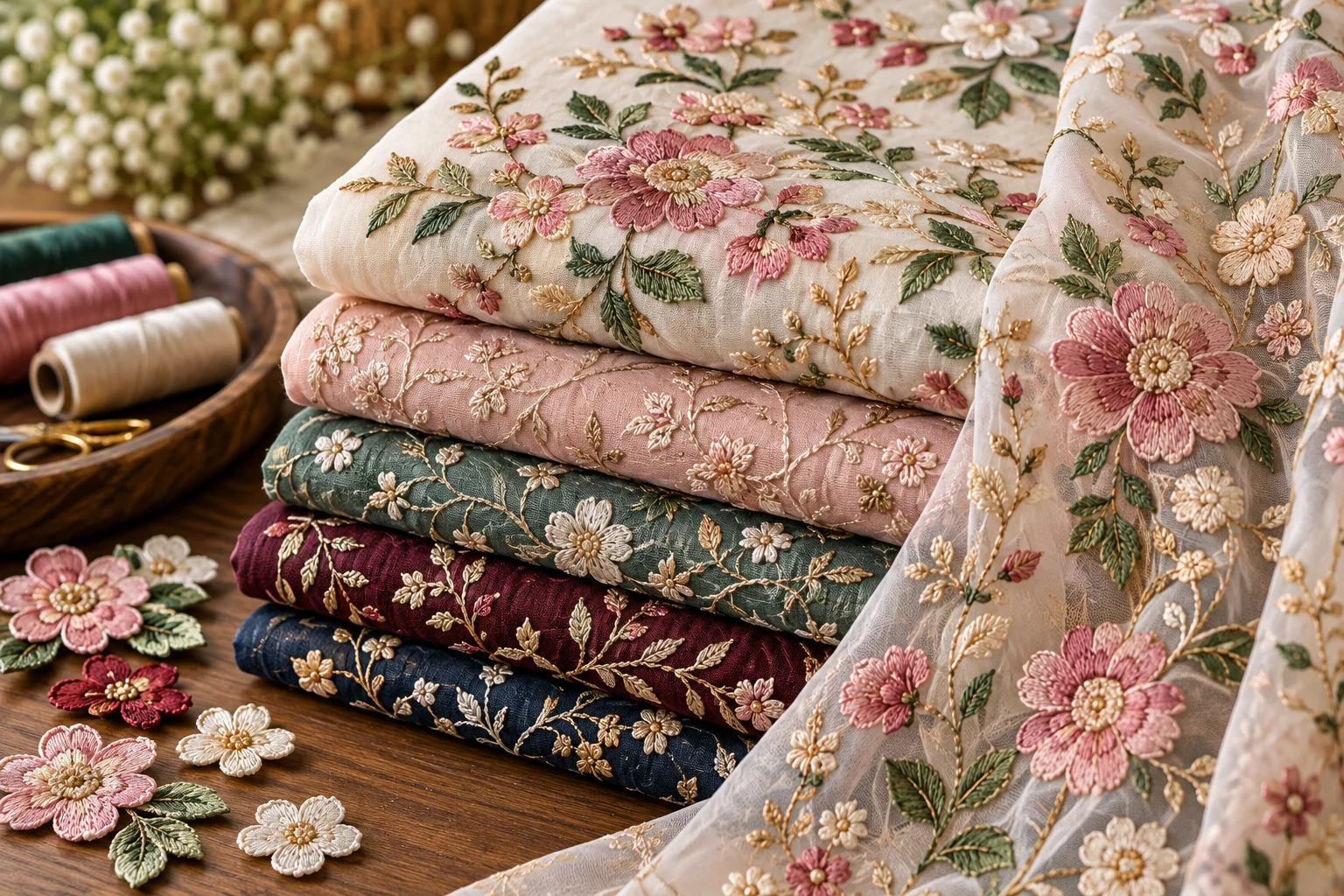
Embroidered fabric has become a popular choice in the fashion and textile industry because of its elegant designs, intricate patterns, and premium appearance. From traditional ethnic wear to modern dresses, embroidered textiles add beauty, texture, and sophistication to different types of clothing.
Whether you are a fashion designer, garment manufacturer, boutique owner, or individual buyer, understanding the different types of embroidered fabric can help you choose the right material for your requirements. Today, buyers can explore a wide variety of embroidered fabric online, including floral embroidery, decorative patterns, and contemporary designs suitable for different occasions.
In this guide, we will explore the types, uses, benefits, and important factors to consider when choosing embroidered fabric.
What Is Embroidered Fabric?
Embroidered fabric is a textile decorated with decorative stitches, threads, and sometimes beads, sequins, or other embellishments. These designs can be created using traditional hand embroidery or modern computerized embroidery machines.
Embroidery can transform simple fabric into an attractive material suitable for fashion garments, accessories, home décor, and specialty textile products.
Common base fabrics used for embroidery include cotton, silk, satin, chiffon, georgette, linen, and polyester. The choice of fabric depends on the design, intended use, durability requirements, and desired appearance.
Different Types of Embroidered Fabric
1. Floral Embroidered Fabric
Floral embroidered fabric features flower patterns, leaves, vines, and botanical designs. It is widely used for dresses, sarees, blouses, scarves, and decorative garments.
Embroidered flowers can create a delicate, elegant appearance or a bold decorative style depending on their size, color, and placement.
2. Cotton Embroidered Fabric
Cotton embroidered fabric combines the comfort and breathability of cotton with decorative stitching. It is suitable for everyday clothing, kurtis, shirts, children's garments, and summer dresses.
This fabric is a practical option for buyers looking for comfortable textiles with attractive detailing.
3. Silk and Satin Embroidered Fabric
Silk and satin fabrics are often selected for premium garments because of their smooth texture and elegant finish. Embroidery on these materials is commonly used in bridal wear, party dresses, designer blouses, and festive clothing.
The right embroidery technique can enhance the fabric's appearance while maintaining its luxurious character.
4. Net and Sheer Embroidered Fabric
Net and sheer embroidered fabrics feature decorative stitching on lightweight, transparent materials. They are frequently used for wedding outfits, evening gowns, dupattas, sleeves, and overlays.
These fabrics are especially popular for garments requiring detailed decorative patterns.
5. Computerized Embroidered Fabric
Computerized embroidery uses programmed designs and embroidery machines to create consistent patterns across multiple pieces of fabric. It is useful for commercial garment production, repeated motifs, customized designs, and bulk manufacturing.
The final quality depends on the fabric, thread, machine settings, design density, and production process.
Popular Uses of Embroidered Fabric
Embroidered textiles are versatile and can be used across several industries.
-
Ethnic wear: Sarees, salwar suits, lehengas, kurtis, and dupattas.
-
Western fashion: Dresses, jackets, tops, skirts, and designer garments.
-
Bridal and occasion wear: Wedding outfits, reception dresses, and festive clothing.
-
Accessories: Handbags, scarves, caps, and decorative accessories.
-
Home décor: Cushion covers, curtains, table linens, and decorative textiles.
-
Commercial garments: Uniforms, branded apparel, and customized textile products.
The versatility of embroidered fabric makes it suitable for both traditional craftsmanship and contemporary fashion applications.
Embroidered Flower Patches for Clothes
Embroidered flower patches for clothes are decorative fabric pieces featuring stitched floral designs. They can be attached to garments to improve their appearance, cover small imperfections, or create customized designs.
These patches are commonly used on denim jackets, jeans, shirts, dresses, children's clothing, bags, and fashion accessories.
Depending on the application, patches may feature sew-on backing, iron-on adhesive, or other attachment methods. Before applying a patch, check the garment's fabric type and the manufacturer's application instructions.
For fashion brands and garment manufacturers, embroidered patches can also help create distinctive designs without embroidering every detail directly onto the finished garment.
How to Choose Quality Embroidered Fabric
Choosing the right embroidered fabric requires attention to several important factors.
Check the Base Material
Select a fabric that suits the garment's purpose. Cotton may work well for everyday clothing, while silk, satin, or net may be more appropriate for special-occasion garments.
Examine the Stitching Quality
Look for consistent stitches, secure thread ends, clean edges, and a balanced pattern. Loose threads or uneven embroidery may affect the garment's appearance and durability.
Consider the Design and Color
Choose embroidery patterns and thread colors that complement the garment design. Floral motifs, geometric patterns, and traditional decorative styles each create a different visual effect.
Evaluate Comfort and Durability
Consider the fabric's weight, flexibility, breathability, and care requirements. Dense embroidery can change how a fabric drapes or feels, so evaluate the complete material rather than the design alone.
Compare Suppliers and Prices
When purchasing embroidered fabric online, review product descriptions, available measurements, fabric composition, close-up images, minimum order quantities, and return policies.
For bulk purchases, request samples whenever possible before confirming a large order.
Buying Embroidered Fabric Online
Buying embroidered fabric online makes it easier to compare designs, materials, colors, and prices from different sellers. However, product images alone may not show the complete texture, thickness, or quality of the embroidery.
Before placing an order, confirm the following details:
-
Fabric composition and width.
-
Embroidery design, density, and thread quality.
-
Color availability and consistency between batches.
-
Minimum order quantity and bulk pricing.
-
Sample availability and delivery timelines.
-
Washing instructions and product care requirements.
For businesses, maintaining consistent quality across repeat orders is particularly important. Clear specifications and approved samples can help reduce misunderstandings between buyers and suppliers.
Embroidered Fabric for Fashion Designers and Manufacturers
Fashion designers and garment manufacturers use embroidered textiles to create distinctive collections and differentiate their products in competitive markets.
When sourcing embroidered fabric for commercial production, businesses should evaluate supplier reliability, production capacity, customization options, quality-control procedures, and lead times.
Buyers planning large orders should also discuss design approval, sample development, packaging, and inspection requirements before production begins.
A reliable sourcing process helps businesses maintain consistent garment quality while managing costs and production schedules.
Frequently Asked Questions
What is embroidered fabric used for?
Embroidered fabric is used for dresses, sarees, salwar suits, blouses, bridal wear, accessories, uniforms, and home décor products.
Which fabric is best for embroidery?
Cotton, silk, satin, linen, polyester, chiffon, and net can all be suitable. The best option depends on the embroidery design, garment purpose, comfort requirements, and desired finish.
Can I buy embroidered fabric online?
Yes. Many textile sellers offer embroidered fabric online in different materials, colors, designs, and quantities. Check fabric specifications, stitching quality, and supplier policies before ordering.
What are embroidered flower patches for clothes?
These are decorative patches featuring stitched floral designs that can be attached to clothing and accessories using sewing, iron-on adhesive, or other suitable methods.
Is computerized embroidery suitable for bulk production?
Yes. Computerized embroidery can produce repeatable designs efficiently, provided that the machine setup, fabric handling, thread selection, and quality-control process are appropriate.
How do I maintain embroidered clothing?
Follow the garment's care label. Depending on the fabric and embellishments, gentle washing, turning the garment inside out, and avoiding excessive friction may help protect the embroidery.
Conclusion
Embroidered fabric combines decorative craftsmanship with practical textile applications, making it an important material in the fashion and garment industry. From floral embroidered fabric and traditional ethnic designs to computerized embroidery and embroidered flower patches for clothes, there are options for a wide range of creative and commercial needs.
Before purchasing embroidered fabric online, consider the base material, stitching quality, design, durability, supplier reliability, and intended application. Whether you are buying fabric for personal use or sourcing materials for garment manufacturing, careful selection can help you achieve attractive and consistent results.